Toolkit
What I ride, carry, sleep in and eat. Not sponsored lists — just what’s held up when things went sideways.
The bikes
The Snow Pig and the rest of the fleet.
Bikepacking gear
JPaks, Revelate, Tailfin.
Winter camping
Below zero is another animal.
Summer camping
The light setup, mostly Big Agnes.
Navigation & power
Garmin, a dynamo hub, staying charged.
Multi-day nutrition
Cheese sandwiches, meat sticks, no vindaloo.
The bikes

The Snow Pig
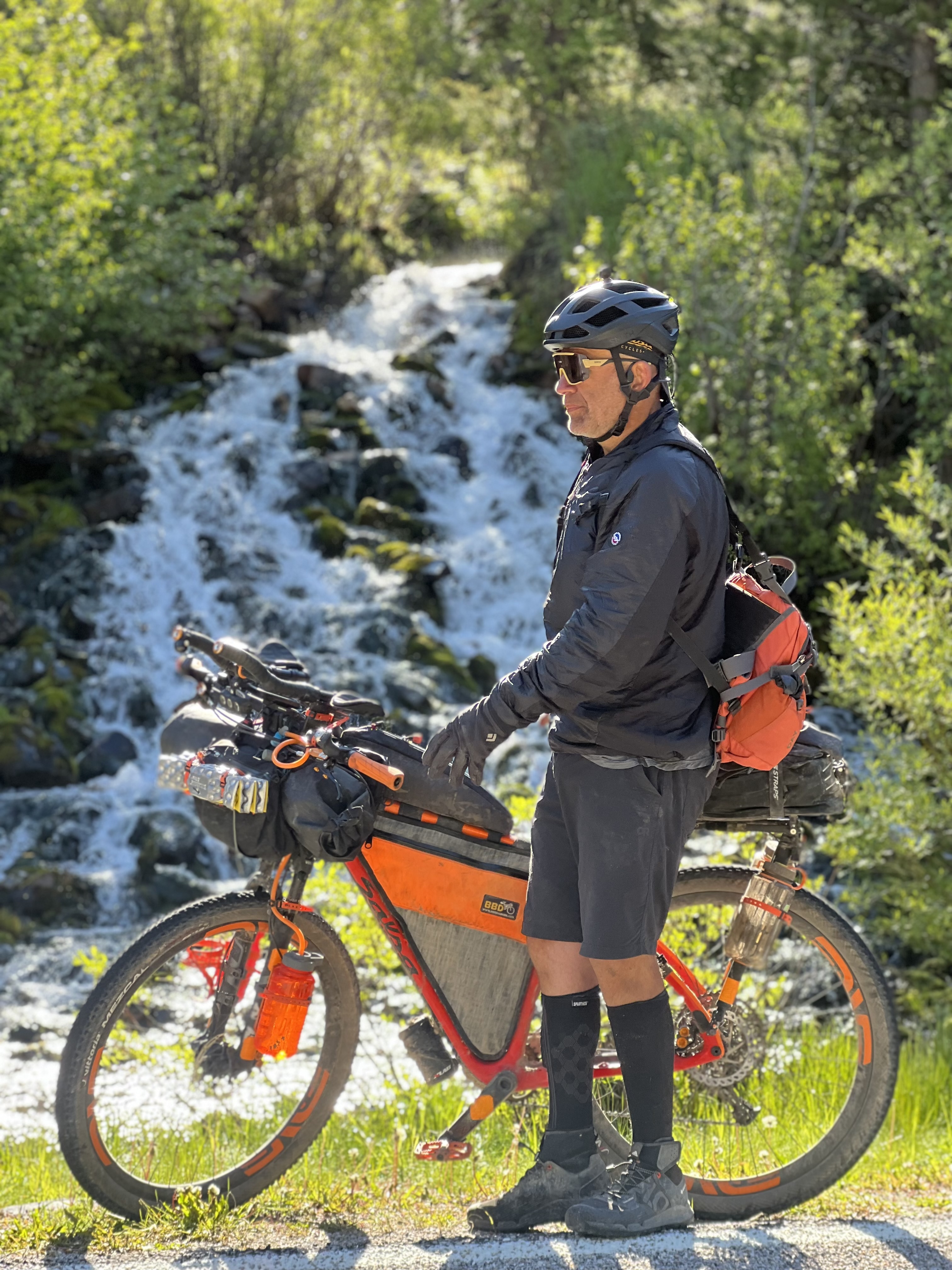
My winter fatbike: a Ti Muru Canning, size large, with a Ti fork.
- Drivetrain: SRAM X01 11-speed, Garbaruk 11-48 cassette, Wolf Tooth 28T oval chainring
- Wheels: Nextie Xiphias 105mm rims, DT Swiss 350 Big Ride rear hub, SON 28 front dynamo hub running a K-Lite front light
- Tyres: Dillinger 26” × 5.0”
- Contact points: Shimano XT flat pedals, fattie XL grips, SMP saddle
- Brakes: BB7 mechanical
Salsa Mukluk
An adventure fatbike with extra-wide tyres that give traction and flotation on snow, sand and loose ground. Useful for winter riding, exploring and carrying camping gear. Salsa Mukluk ↗
Salsa Cutthroat
A drop-bar endurance and bikepacking bike inspired by the Tour Divide, designed for long distances on mixed terrain while carrying supplies for extended adventures. Salsa Cutthroat ↗
Salsa Warbird
A gravel race bike designed for speed and long days on unpaved roads. Salsa Warbird ↗
Salsa Horsethief
A full-suspension 29er for trail riding. Salsa Horsethief ↗
Waltly Titanium Gravel
A custom titanium gravel bike for riding that mixes pavement with gravel and dirt. Waltly Titanium ↗
Bikepacking gear
JPaks custom bags
JPaks is my go-to for custom bikepacking bags. Handmade in Colorado, tailored to the bike and the rider. On the Snow Pig I run a full custom set: frame bag, Footlong top tube bag and two behind-seat bags. Their custom FramePaks use the space inside the frame, with options for organising tools, food and a hydration bladder.
Revelate Designs
The Sweetroll handlebar bag for waterproof storage up front, a Revelate Wampak, and Expedition Pogies to keep my hands warm on winter rides.
Tailfin
Several pieces from Tailfin:
- Handlebar bags for bulkier items like clothing and sleeping gear
- Rear rack for luggage over the rear wheel
- Fork mounts and cargo cages for extra bags, bottles or equipment
- Rear bags for food, clothing and equipment on longer trips
- Frame bags for tools, food and essentials
Racks and dry bags
An Aeroe fat rear rack on the Snow Pig, and Sea to Summit dry bags for spare clothes.
Winter camping
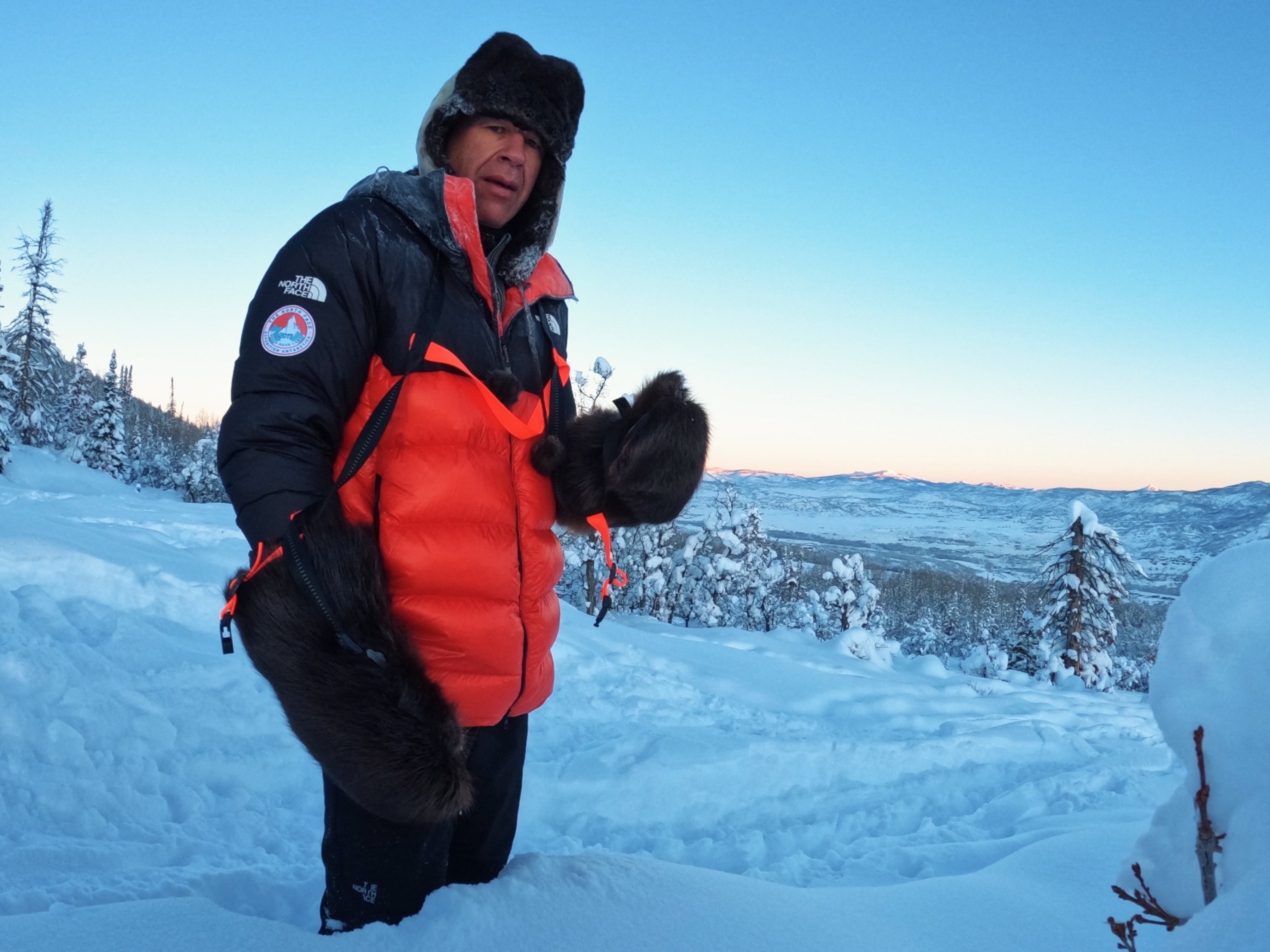
Winter camping is another animal altogether. Early on, Smartwool followed a few of my adventures, and through its parent company, VF, I received gear from The North Face: the sort you’d take up Everest. In the conditions I’ve travelled through, that level of protection has mattered. I still have all my fingers and toes, and I’ve been in places where others weren’t as fortunate. That stays with you. Winter gear is about more than comfort — it’s part of getting home safely.
Merino next to skin
Whenever the temperature drops, merino wool is the only material I want next to my skin. It’s helped me out many times, keeping some warmth even when damp.
Even under five or six layers, I make sure I have zips I can open to vent heat. Even in Arctic temperatures, sweating can become a problem, and damp layers can turn things sideways quickly when I slow down or stop. Venting before I overheat is a big part of my winter routine.
Bad-weather sleep system
A Mountain Hardwear −40 sleeping bag, an MSR Advance Pro 2 ultralight tent and a blow-up pad.
MSR XGK stove
My liquid-fuel stove for winter trips: cooking and melting snow.
Revelate Expedition Pogies
Handlebar mitts that keep my hands warm on winter rides. Expedition Pogies ↗
Footwear
45NRTH Wolvhammer — my winter riding boots. 45NRTH ↗
Zamberlan hunting boots — for the deep cold. Zamberlan ↗
Summer camping
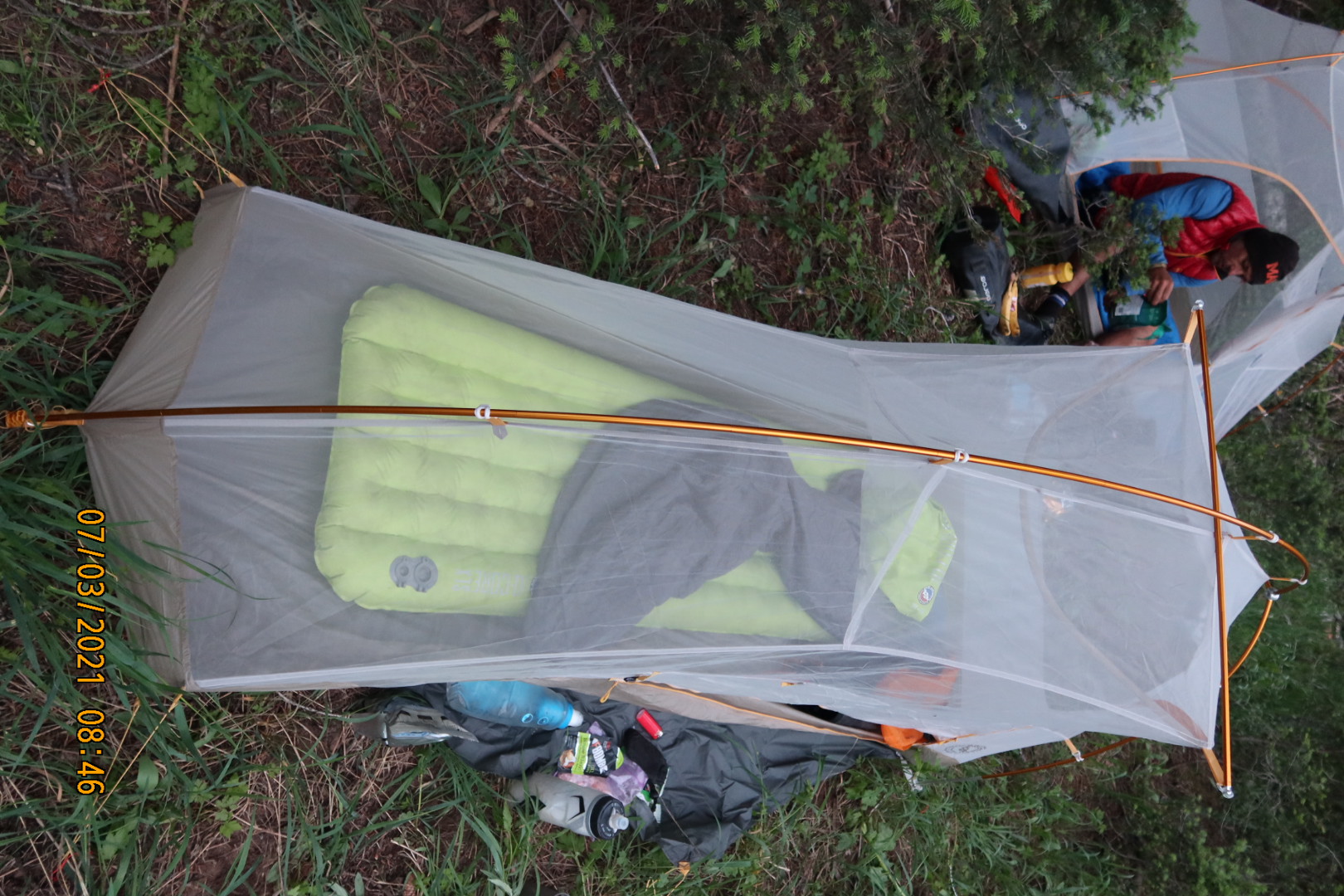
Big Agnes, based here in Steamboat Springs, has been my go-to for sleeping systems and tents over the years. On multi-day rides, a place to shelter and a comfortable night’s sleep matter just as much as what keeps the wheels turning. It’s also good to have that hometown connection with the gear I take on my adventures.
Good-weather sleep system
A Big Agnes −20 sleeping bag, a three-wire bivy and a blow-up pad.
Navigation & power

Garmin Edge 1030 / 1040
The GPS units on my bars for navigating routes on long races and expeditions. Garmin ↗
Garmin fenix 7 Pro
The GPS watch I wear for training and racing.
K-Lite dynamo light & USB charger
My K-Lite front light runs off the SON 28 dynamo hub on the front wheel, so it’s powered by pedalling, not batteries. The K-Lite USB charger runs off the same hub, keeping my GPS and phone topped up on long days far from an outlet.
Multi-day nutrition

Big calories have always been the key for me on multi-day rides. Is it nutrition 101 from a healthy-eating textbook? Probably not. My approach has been simple: keep enough fuel going in to match the work I’m doing.
In winter, my go-to foods have been cheese sandwiches, meat sticks and mini Snickers bars, unwrapped beforehand and packed into bags. A lot of energy bars don’t cope well with the cold — they turn into bricks — so it comes down to what I can actually chew and want to eat.
Summer is a different animal, but the aim stays the same: keep enough calories going into the hopper to keep the wheels spinning. Over the years, practicality and appetite have shaped what I carry. Food only helps if I’ll eat it.
Nothing is really off limits. Except a vindaloo curry. There are some risks even I won’t take on a multi-day ride.
In Kyrgyzstan, one of the other racers showed us a tin of fish packed in oil. The first time, we tipped the oil out and slowly ate the fish. By day twelve, we were opening the tins, soaking bread in the oil, devouring the fish and then drinking whatever was left. Hunger will make cowards of us all.
Being 10 miles from an aid station or 150 miles from your next refill makes all the difference in what you carry and consume.